Image 1 of 4
 Image 2 of 4
 Image 3 of 4
 Image 4 of 4
Silybum marianum
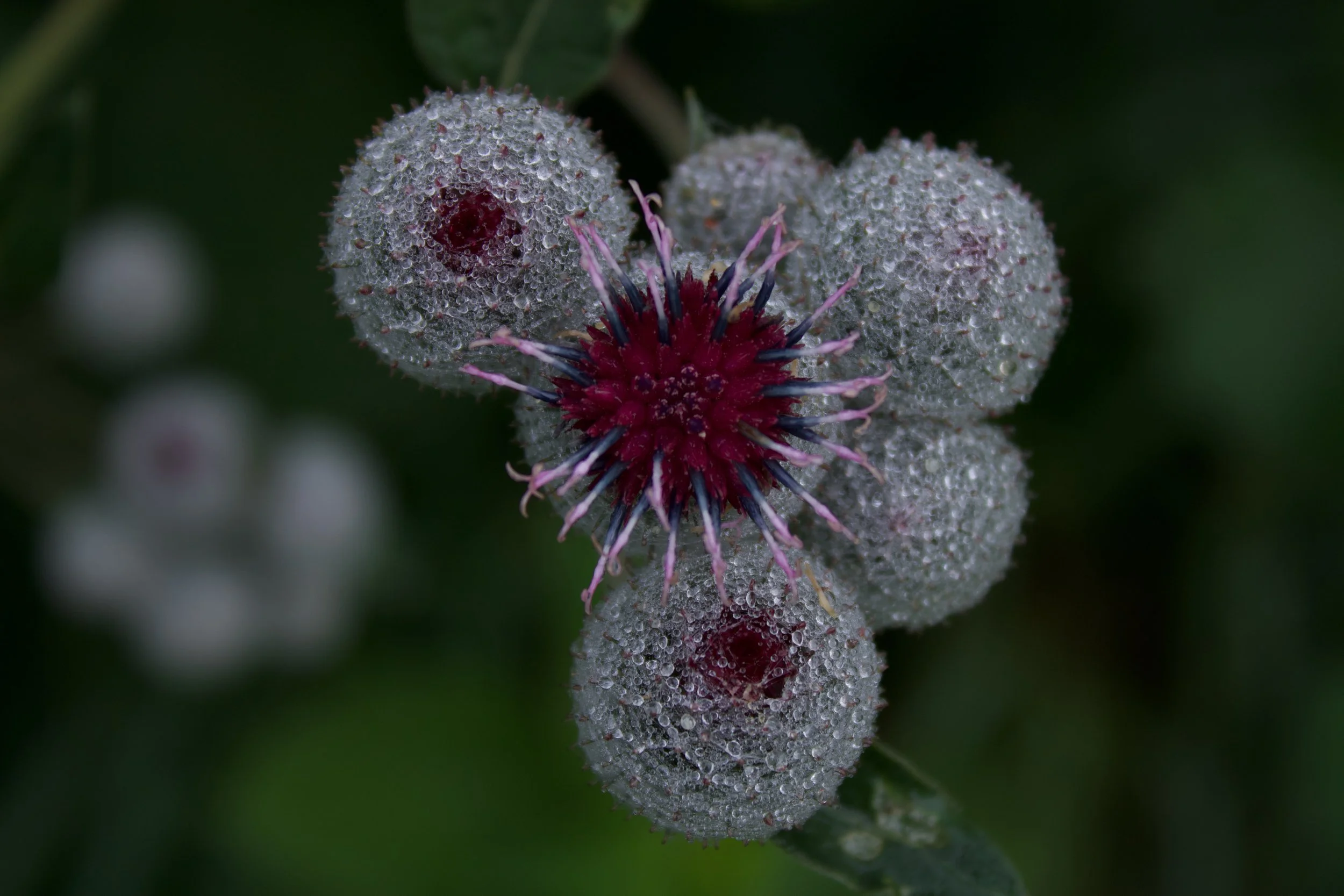
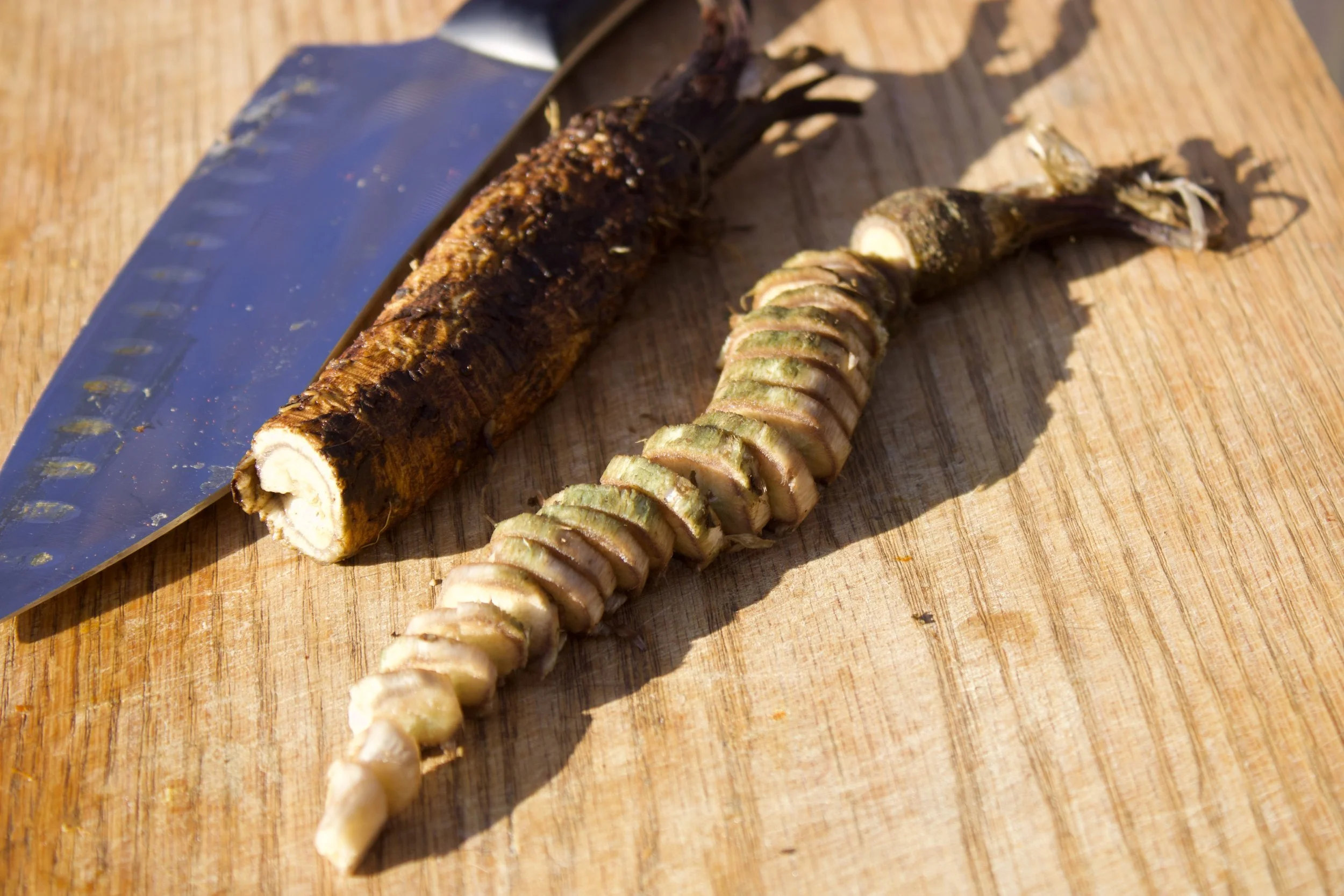
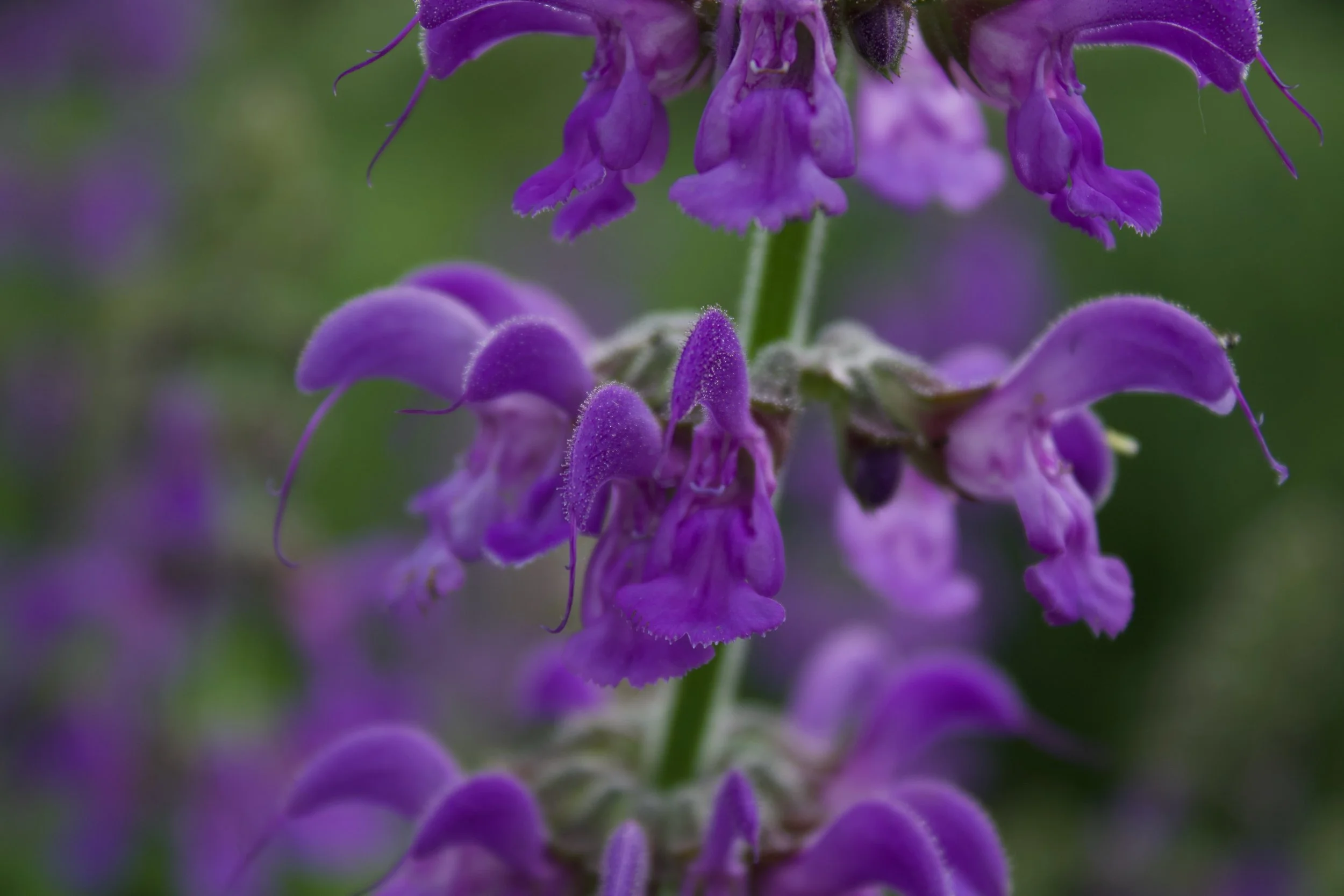
Native to the Mediterranean, gorgeous magenta blooms grow up to 6 feet with stunning milky-green variegated spiked leaves. Its medicinal seeds have been harvested for thousands of years for liver and gallbladder support and detoxification. Roasting the seeds makes a delicious nutty tea. Young leaves can be eaten as a spinach-like substitute (Spines Must Be Removed). Young stalks can be peeled, soaked and eaten raw or cooked. Roots can be eaten raw or cooked. Flowers too are edible. Mind the sharp spines while harvesting and wear protective gloves and take care to harvest all mature flower heads to keep Milk Thistle from reseeding outside of its designated area. Homegrown remedies await you!
Medicinal uses of Silybum marianum listed are for informational purposes and not mean as replacement for medical assessment and care by a qualified practitioner such as an herbalist or naturopathic physician.
Growing Instructions:
No cold stratification required.
Sow seeds indoors no earlier that 3-4 weeks before last frost. Very fast to germinate and grow and therefore can get leggy very quickly. We recommend sowing in 4 packs (or larger if you have room in your indoor sunny growing location. Please note, window sills can be very drafty and often times soil temp will be significantly less than the ambient temperature. Grow lights are recommended if you are at northern latitudes!)
Germination of these seeds are light dependent (photoblastic). When sowing, gently press down the soil to create a shallow indent, sprinkle seeds and lightly cover with soil. Do not bury too deep and be sure to keep the surface of your trays moist as you await your seeds to germinate. When watering, use the mist setting on a sprayer hose to gently moisten without too much pressure. Using a spray bottle with water is also a good idea. Heavy water pressure may push the surface sown seeds out of the trays!
Transplant out after last frost in your area. 24”- 30” spacing, We like having a little extra room to safely maneuver in and around Silybum! Plant with a little compost and woodash in each hole to feed your growing plants. Supplement as needed with compost/nitrogen tea once young plants are well established (two weeks after transplanting.)
Grows extraordinarily well in newly dug gardens as it does not require very dense soil nutrition. Also tolerates acidic soils well, as newly dug gardens in the NE tend to be. A wonderful herb to help aerate soils in your new garden spaces! Exceedingly drought tolerant and also has proven to thrive in the lowest, wettest spot of a clay soil bed in the wettest year we’ve experienced! In other words, very forgiving!
Harvest Instruction:
3 3/4 to 4 months until mature seed harvest. Harvest when seed heads become dry and brown when the white down begins peeking through. Monitor seed maturity as seed heads darken. Seeds should be dark brown, plump and very hard. Study the seeds you sow in the spring to get an idea of what you will be looking for during harvest season!
Mind the spines while harvesting!! Wear protective gloves and take care to harvest all mature heads to keep Milk Thistle from reseeding outside of its designated area.