Image 1 of 3
 Image 2 of 3
 Image 3 of 3
Inula helenium
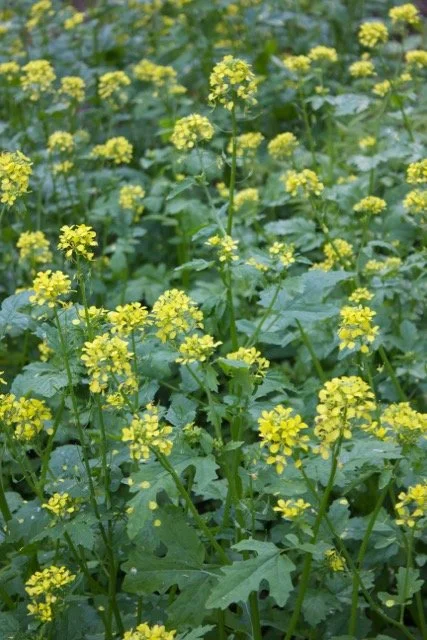
Towering above our heads at about 6 to 8 feet, Elecampane makes a striking display in the apothecary garden. We love her massively broad leaves and sunny yellow flowers, but most of all her large camphorous tap root that has been historically used as a warming and drying heal-all herb for dampness and stagnation in body and in spirits. Particularly effective expectorant and lung remedy. Elecampane almost instantaneously expels mucous from deep within the lungs, making it a treasured companion for those who are susceptible to moist bronchial conditions. Indispensable for flu and virus season and very helpful for staving off secondary lung infections. Perennial hardy to Zone 3.
Medicinal uses of Inula helenium listed are for informational purposes and not mean as replacement for medical assessment and care by a qualified practitioner such as an herbalist or naturopathic physician.
Growing Information:
Cold stratification recommended. Place seeds on moistened paper towel, fold neatly and store in labeled jar or sealable plastic baggie in freezer for four weeks before sowing in spring.
Germination of these seeds are light dependent (photoblastic). When sowing, gently press down the soil to create a shallow indent, sprinkle seeds and lightly cover with soil. Do not bury too deep and be sure to keep the surface of your trays moist as you await your seeds to germinate. When watering, use the mist setting on a sprayer hose to gently moisten without too much pressure. Using a spray bottle with water is also a good idea. Heavy water pressure may push the surface sown seeds out of the trays!
Sow in trays anytime in spring. Transplant out after last frost.
24”-30” spacing. Transplant with a bit of compost and woodash in each hole. Supplement as needed with compost/nitrogen tea after young plants are well established (two weeks after transplanting).
Harvest Instructions:
Wait to harvest massive tap roots until the fall of plant’s second year. Clean, chop and dry to store for future infusions or prepare fresh root tincture at time of harvest.