 Image 1 of 2
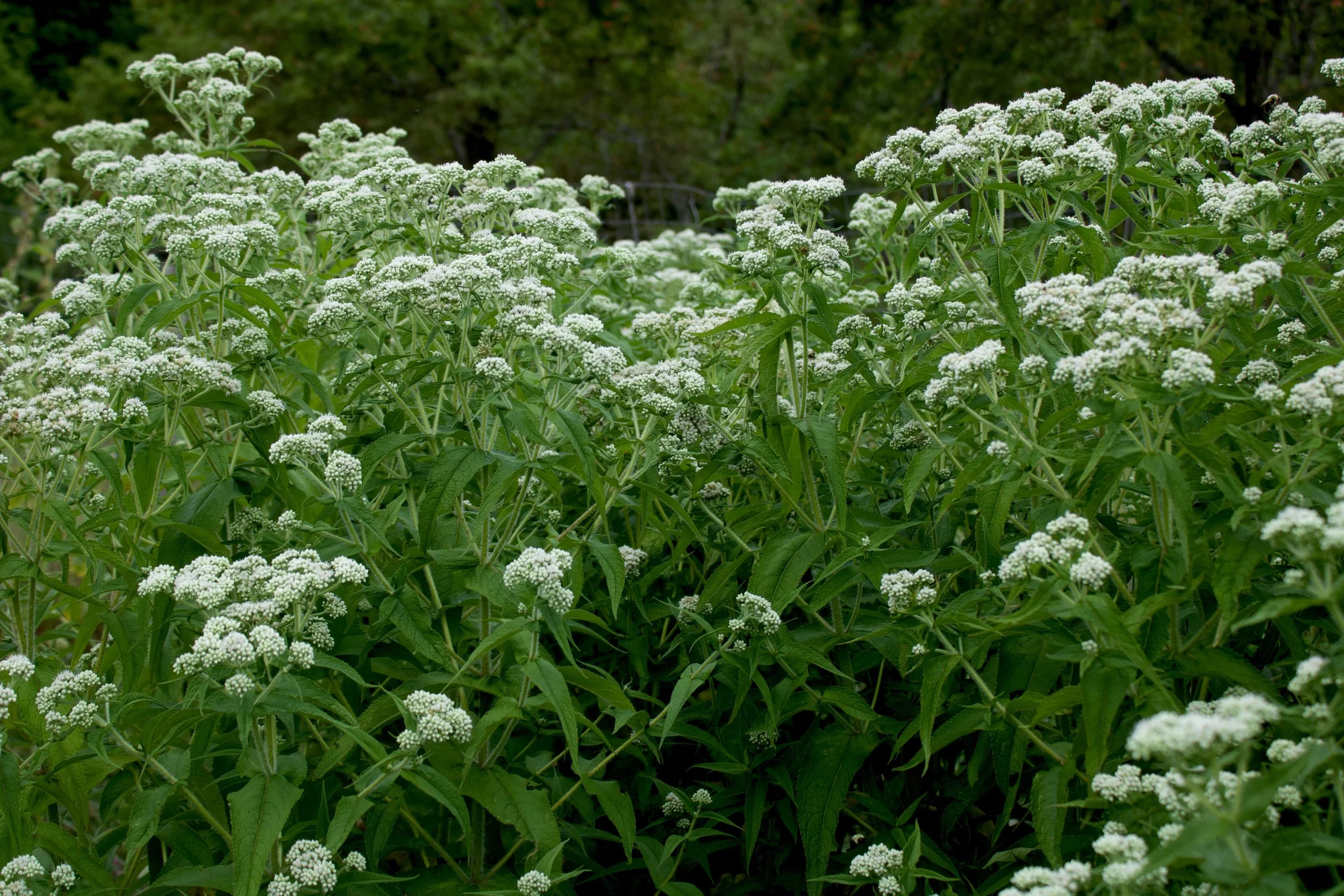 Image 2 of 2
Eupatorium perfoliatum
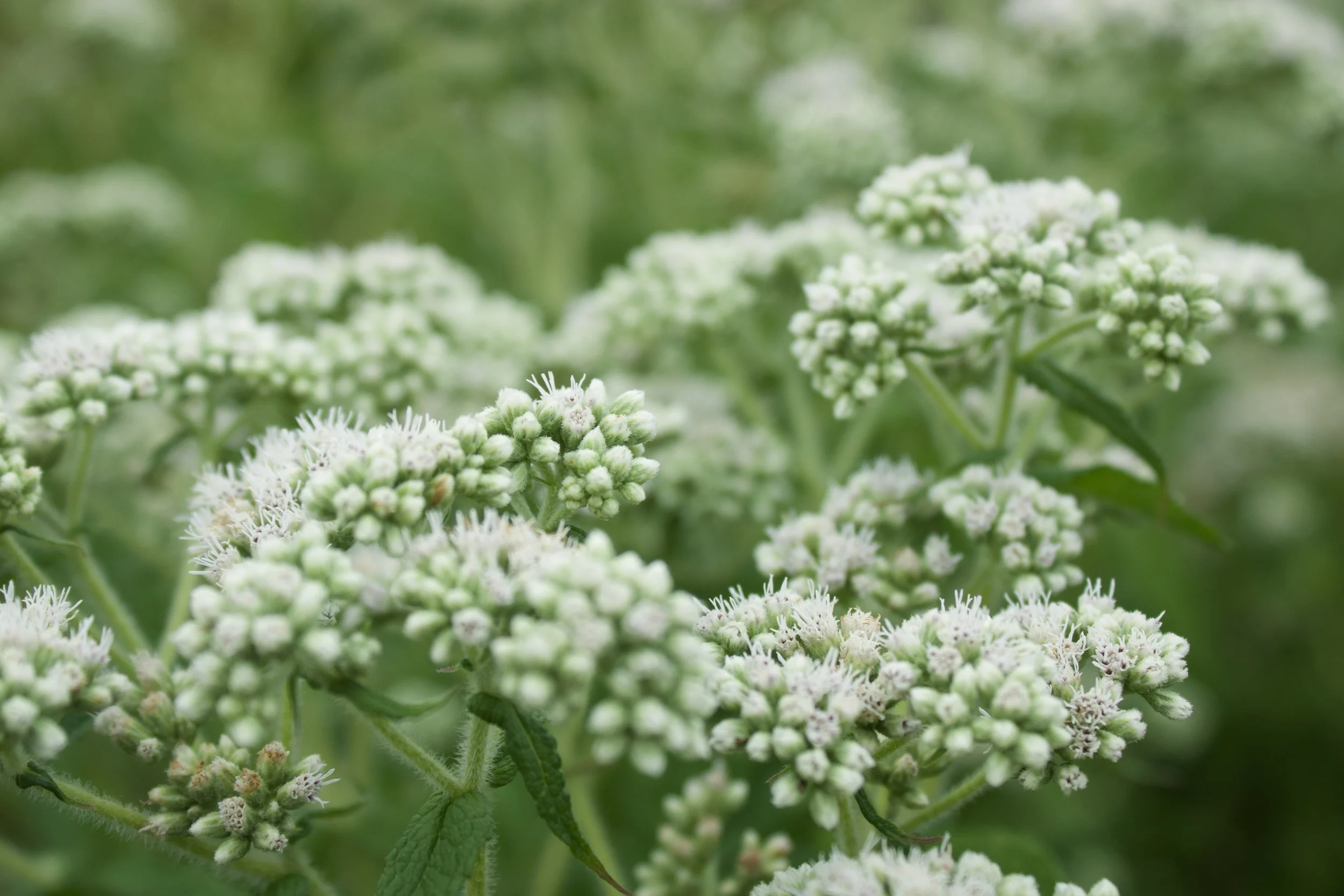
Native wildflower and traditional medicine of eastern North America. Perennial hardy to zone 4. Copiuos white blooms beginning in late summer reach 4-6 feet. Attacts a large number of native bees including sweat bees, small carpenter bees, digger bees and bumble bees. A very important and popular source of late season nectar! Eye-catching leaf pattern in which fused pairs of lance-shaped leaves are pierced through the middle by its stems, as indicated with the species’ name perfoliatum. Happily found in damp fields, bogs and stream edges and loves full sun-- consider planting in a low spot in the garden, keep well watered while it establishes its root system in its first year and use mulch to keep the surrounding soil mosit! Await its lovely blossoms in its second year!
Growing Information
Cold stratification recommended. Place seeds on moistened paper towel, fold neatly and store in labeled jar or sealable plastic baggie in freezer for four weeks before sowing in spring.
Germination of these seeds are light dependent (photoblastic). When sowing, gently press down the soil to create a shallow indent, sprinkle seeds and lightly cover with soil. Do not bury too deep and be sure to keep the surface of your trays moist as you await your seeds to germinate. When watering, use the mist setting on a sprayer hose to gently moisten without too much pressure. Using a spray bottle with water is also a good idea. Heavy water pressure may push the surface sown seeds out of the trays!
4-6 ft tall plants with 2-4 ft spread.
Sow in trays anytime in spring. Transplant out after last frost.
Transplant 3 ft on center. Plant with a little compost and wood ash to feed your growing plants through the season. Supplement as needed with compost/nitrogen tea once young plants are well established (two weeks after transplant).
Enjoys low wet spots and full sun similar to its native fens, bogs, marshes and stream edges, but can thrive once established in dryer conditions. Be sure to irrigate well and mulch with leaves its first year if growing in dry conditions.
Hardy to zone 3.